Health · 6 min read
Ice bath benefits: the honest version, without the viral hype
Ice bath benefits revolve around a single body response: water at 5–15°C triggers a surge of adrenaline and noradrenaline, constricts the blood vessels in your skin, and forces your breathing to stay calm in the middle of an "alarm". The most noticeable results: sharper alertness, tired muscles that feel lighter, and many people report a more stable mood. What does not happen: magical fat burning and super immunity. Let's sort it out.
What happens in the first thirty seconds
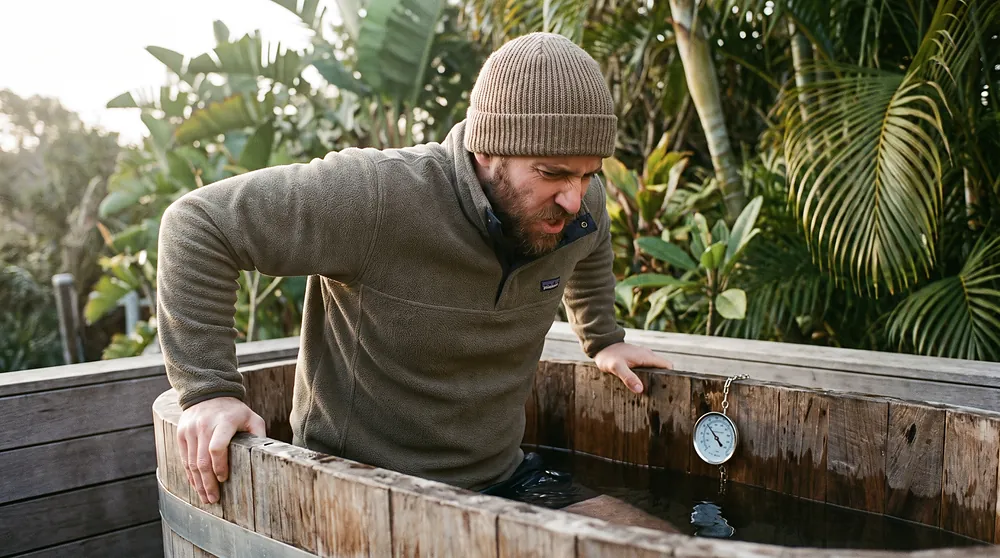
Entering cold water triggers a cold shock: your breath catches, your heart races, your body wants out. This is a normal reflex and, in fact, part of the training — research shows that repeated exposure blunts this response, meaning your nervous system learns to stay calm under stress. That is why the first rule of the ice bath is not about temperature but about breathing: long, slow exhales until your body stops "panicking".
Benefits that have real backing
- Muscle recovery. Cold immersion after hard training is a classic athlete protocol for easing muscle soreness — it is the reason gyms and recovery studios install cold plunges.
- Alertness. The catecholamine surge leaves your head feeling clear; many users describe the effect as coffee without the jitters.
- Mood. Some early research points to improved mood after a cold water routine — the mechanism is still being studied, but the experience is real for a lot of people.
- Discipline. The effect that rarely makes the scientific lists: managing to stay calm in 10°C water every morning changes how you face other hard things. Our clients call it the main reason they stick with it.
What to know before you believe the viral videos
Two honest notes. First, cold immersion immediately after weight training appears to blunt some of the muscle-building adaptation — if your target is hypertrophy, leave a few hours between lifting and the plunge. Second, the claims of "burning hundreds of calories per session" and "detox" have no solid basis: shivering does burn energy, but the numbers are small; detox stays the job of your liver and kidneys.
Never soak alone in your first sessions, never after alcohol, and never force the duration. If you have a heart condition or a blood pressure issue, check with a doctor first — cold shock is a real load on the cardiovascular system.
Ice cubes or a chiller?
Everyone starts with bags of ice from the minimarket — and almost everyone quits within a month, because the logistics wear you down: buying ice every session, inconsistent temperatures, water that clouds up fast. A cold plunge with a ½–1 HP chiller holds 3–15°C around the clock with filtration and ozone/UV — you just step in. In Tangerang's year-round heat, a chiller is not a luxury but the condition for a routine that lasts. We break down the build and the pricing on our Tangerang cold plunge page.
Building a habit that lasts
Most people quit cold therapy not because it does not help, but because the routine wears them out. Three things separate those who last a year from those who give up within a month. First, ease of access: if every session means going out to buy ice and waiting for the water to cool, motivation runs out fast — this is why a chiller that holds the temperature 24 hours changes the game. Second, a fixed time: make it part of the morning or the post-workout, not "later, if I get around to it". Third, an honest target: 3–5 sessions a week at a comfortable temperature is far more sustainable than forcing super-cold water and then dreading it. Our most consistent clients in BSD and Bintaro are the ones who keep the temperature moderate but never skip — just like exercise, showing up beats intensity.
A short protocol to get started
| Level | Temperature | Duration |
|---|---|---|
| Beginner | 12–15°C | 1–3 minutes |
| Adjusted (2–4 weeks) | 8–12°C | 2–5 minutes |
| Experienced | 3–8°C | 2–5 minutes |
A common frequency: 3–5 sessions a week. Colder is not automatically better — consistency beats extreme temperatures. A step-by-step guide is in our article on ice bath temperature for beginners.
Hot and cold: the pairing that makes both better
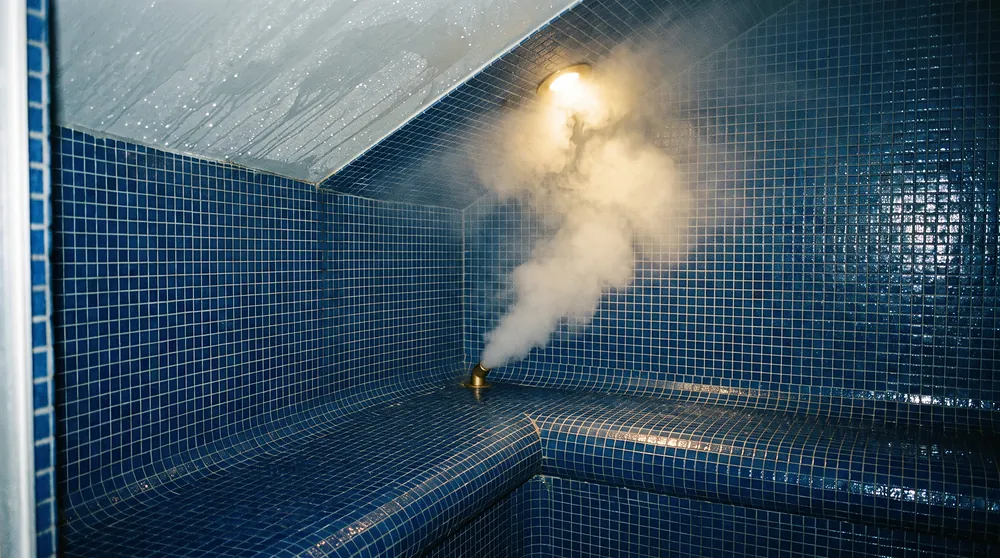
The ritual our clients in BSD, Gading Serpong, and Alam Sutera install most often: an 80°C sauna followed by an 8°C plunge, two to three rounds. The contrast makes the cold session feel "earned" and the hot session feel deeper. Installing both at once is also cheaper than two separate projects — the electrical runs, plumbing, and team mobilization become one; a budget overview is on our pricing page.